Hear from our editors: The best credit cards for fair credit of June 2026
Updated May 29, 2026
This date may not reflect recent changes in individual terms.
Editorial Note: Intuit Credit Karma receives compensation from third-party advertisers, but that doesn’t affect our editors’ opinions. Our third-party advertisers don’t review, approve or endorse our editorial content. Information about financial products not offered on Credit Karma is collected independently. Our content is accurate to the best of our knowledge when posted.
Written by: Gaby Lapera
If you have fair credit, you’ve got some options when it comes to credit cards. Whether you’re interested in a card that offers no annual fee, cash back, the potential for credit line increases or a chance to build credit, we’ll help you figure out which one may be right for you. Here are our picks for the best credit cards for fair credit.
- Best for cash back: Capital One QuicksilverOne Cash Rewards Credit Card
- Best for credit line increases: Credit One Bank® Platinum Visa® for Rebuilding Credit
- Best for students: Discover it® Student Cash Back
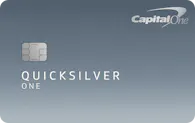
Best for cash back: Capital One QuicksilverOne Cash Rewards Credit Card
Here’s why: Capital One advertises that this card is intended for people with fair credit, which can help make the application process less stressful if you have less-than-perfect credit. It also comes with a cool 1.5% cash back on every purchase and an annual fee of only $39.
For more information, check out more about the Capital One QuicksilverOne Cash Rewards Credit Card.
Best for credit line increases: Credit One Bank® Platinum Visa® for Rebuilding Credit
Here’s why: Like others on this list, this card is geared towards people rebuilding credit, and it also has an annual fee.
Though the Credit One Bank® Platinum Visa® for Rebuilding Credit comes with cash back on some purchases, the card’s best feature for people who want to build credit is the opportunity for credit line increases. The issuer will regularly review your account and assess your credit usage to see if you qualify for a credit line increase. Credit line increases can help you build credit faster. If you keep your spending the same but have an increased limit, it can be easier maintain a lower credit utilization ratio.
Read more about the Credit One Bank® Platinum Visa® for Rebuilding Credit.
Best for students: Discover it® Student Cash Back
Here’s why: The Discover it® Student Cash Back is meant for students new to credit. It can help you build credit while also earning cash back — though it’ll take a little work to maximize your earnings.
If you’re a student getting your first credit card, just remember that while earning cash back is great, building credit requires careful credit card use, like paying on time every time and keeping your credit card utilization low.
Read more about the Discover it® Student Cash Back to see if it fits your needs.
Choosing a credit card that suits fair credit
Choosing a credit card can feel like a big task, especially when you have fair credit. When you’re looking at your options, keep the following in mind to help you pick one that’s right for you.
- Reporting to the credit bureaus — If you’re going to apply for a credit card, make sure it’ll be reported to at least one of the major credit bureaus. This means that if you make on-time payments, you can start to build or improve your credit.
- Low or no fees — If you have fair credit, you may not be approved for a high credit limit. If the credit card you’ve been approved for has a steep annual fee in relation to the credit limit, you’ll be eating up valuable credit limit space, restricting what you can spend that month. Plus, having a high credit utilization can negatively affect your credit score. Look for a card with no annual fee, or at least a low annual fee.
- Upgrade path — If you’re looking at a secured credit card, look into whether the issuer offers a path to upgrade to an unsecured credit card after certain requirements are met. This can be a great way to get access to credit — secured credit cards may be easier to qualify for while still working towards unsecured credit.
Why should you care about your credit scores?
Your credit scores can affect more than just getting approved for credit cards. If you’re looking for a loan or mortgage, your credit scores can directly impact how much interest you pay over the life of the loan. Even if you have decent credit, improving it can help you out in the long run. Lenders typically offer the best terms and interest rates to people with excellent credit scores.
If you’re looking to rent, landlords may look at your credit report when evaluating your application. Your credit health may be part of what they look at — and if you have poor credit, it may hurt your chances. Plus, while potential employers can’t see your credit scores, generally they can look at a version of your credit report. This includes things like credit accounts and balances, inquiries and any bankruptcies — all of which factor into your credit score.
How we picked these cards
To find the best credit cards for fair credit, we narrowed the search to cards that we could confirm are targeted at people with fair or average credit. This information isn’t always publicized by credit card issuers, which can make it difficult to figure out which cards you have a reasonable chance of qualifying for.
Instead of showing you cards for people with bad credit or no credit, we wanted to tell you about the best possible cards that are within striking distance for you.
FAQs about fair credit cards
Fair credit is average. It’s not bad, but it’s not great, either. It’s right in the middle.
Where exactly that range falls can depend on the credit-scoring model. For FICO, fair credit scores generally range from the upper 500s to the mid-600s. Fair VantageScore credit scores fall in the low- to mid-600s.
If you’re curious what category your credit scores are in, check out our guide to credit score ranges.
Raising your credit scores from 650 to 700 could help you move from fair credit to good credit.
With good credit, you could have more options for better credit cards: better rewards programs, more cash back, no annual fee or even lower interest rates.
While there’s no guarantee that any given tactic will improve your scores, some of the best ways to build credit are making on-time payments, paying down your credit card balances and keeping your old cards open, which increases the average length of your credit history.
Credit card issuers rarely make credit score guidelines publicly available, so it’s hard to know the minimum credit score needed to get a credit card with fair credit.
The easiest credit cards to get approved for — like secured cards — are intended for people with poor credit.
But if you have fair credit, you might be able to qualify for unsecured cards that don’t require you to put down a security deposit to get the card.
Unfortunately, these cards might come with an annual fee and a high APR. High interest rates could be costly if you need to carry a balance or are trying to get out of debt.
Cards geared towards people with poor or fair credit tend to have lower credit limits. Having better credit could lead to higher credit limits.
Sadly, there aren’t really any shortcuts when it comes to credit. Opening a credit card and using it carefully — paying your bill in full and on time and trying to keep your credit utilization ratio below 30% — can help you build credit.
Income is another factor that issuers assess when deciding credit limits. Again, it’s not an easy fix, but having a higher income could also help you attain a higher credit limit.